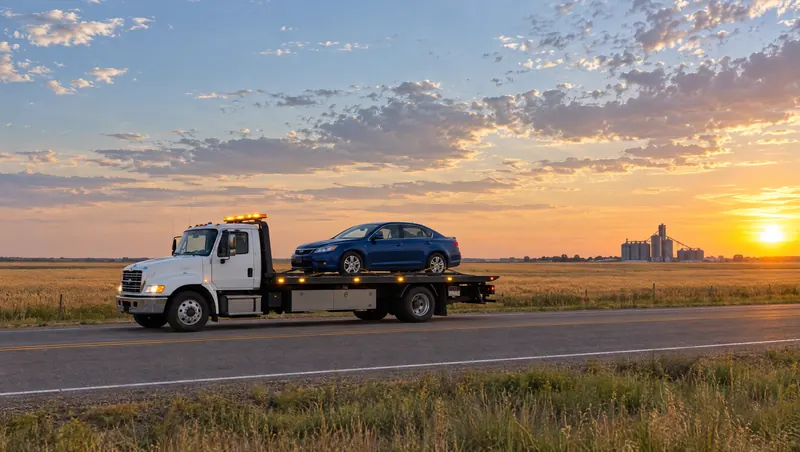
24/7 towing and roadside help
Towing and Roadside Help in Alberta
Broken down in Alberta? Call 1-888-TOW-1213. We lock your price by text, send the nearest available partner tow company and stay with you until help arrives.
If anyone is hurt or you're stopped in a live lane, call 911 first.
How it works in Alberta. Sentinel Towing is a network, not a tow company. A vetted local partner near you does the job. We stay with you by text and hold them to your locked price.
Towing by City in Alberta
- Fort McMurray, ABTowing in Fort McMurray, from Timberlea to the long haul on Highway 63.
- Grande Prairie, ABTowing in Grande Prairie, AB, from the Four Mile Interchange to the Wapiti River.
- Red Deer, ABTowing in Red Deer, AB, from Gasoline Alley to 67 Street.
Roadside guides for Alberta
More than 1,200 km, north to south
Alberta's Highways, From the Mountains to the Oil Sands
Alberta stretches more than 1,200 km from its southern border to the far north. In January, average highs run from about 0 °C in the southwest to 24 below in the far north. A dead battery in Lethbridge and one north of Fort McMurray are not the same kind of morning.
Calgary to Edmonton
Highway 2, the QEII, links the two cities by way of Red Deer. In winter it's prone to collisions that can mean hours of delay, closures, and traffic sent onto Highway 2A. The corridor around it also gets more hail than anywhere else in Canada.
Trans-Canada and Yellowhead
Highway 1 runs about 534 km from Kicking Horse Pass near Lake Louise, through Calgary, to the Saskatchewan line east of Medicine Hat. Highway 16, the Yellowhead, runs about 634 km from the BC line near Jasper through Edmonton to Lloydminster.
The north
Highway 63 is the main road from Edmonton to Fort McMurray. North of Wandering River, it runs nearly 180 km to the Highway 881 junction, with little but Mariana Lake along the way. Highway 43 heads northwest to Grande Prairie and on toward BC.
Alberta rules
What Alberta Law Says at the Roadside
If you're in the lane next to any stopped roadside vehicle with its lights flashing, tow trucks included, you must move to the far lane. If you can't do that safely, slow to 60 km/h or the posted limit, whichever is lower.
The province's Use of Highway and Rules of the Road Regulation bars parking on the roadway or shoulder of a provincial highway unless the vehicle can't move under its own power or there's an emergency. A breakdown qualifies. A 2025 change also says a tow truck driver must not stop or park on a highway within 200 m of a damaged or disabled vehicle unless police, emergency staff, or the vehicle's owner or driver asks them to, with a few contract exceptions.
We send one partner company. You get the driver's name, photo and truck by text, so you'll know which tow truck is yours.
Alberta Questions
A tow truck I didn't call pulled up. Do I have to use it?
Not if you didn't ask for it. Alberta's rules keep tow trucks from stopping near a disabled vehicle unless police, emergency staff or the owner or driver asks. If police direct a tow, follow their lead. Otherwise, wait for the driver whose name and photo we texted you, and tell us if anyone is pressing you. We'll keep checking on you until your partner arrives.
Roadside help in Alberta
Towing and Roadside Services Across Alberta
Sentinel is a 24-hour towing and roadside assistance network across Alberta. Tell us where you are, and we send a vetted local towing company near you with a truck suited to the job: a tow truck for a car that can't be driven (a flatbed where the vehicle needs one), or a service truck for a jump start, lockout, flat tire, fuel delivery or winch-out.
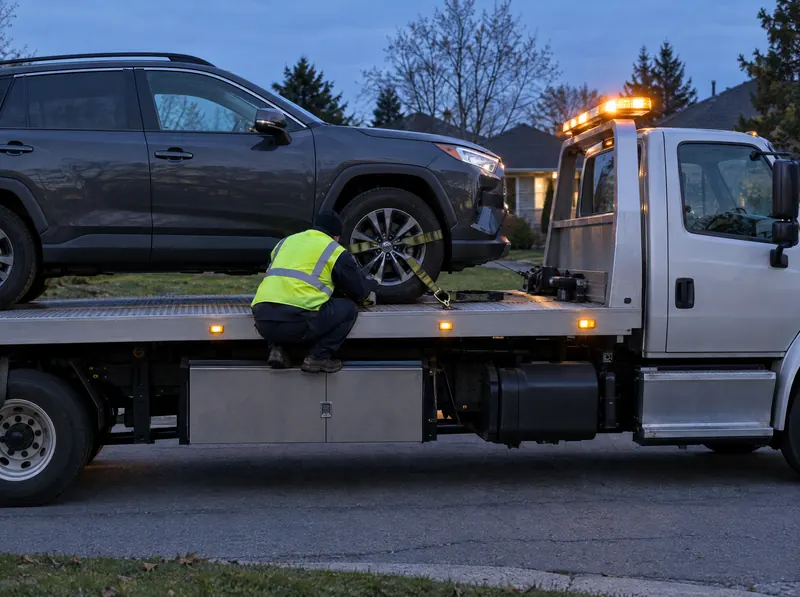
Car towing
Cars, SUVs, minivans and light pickups. Price locked by text, photos before hookup.
Car towing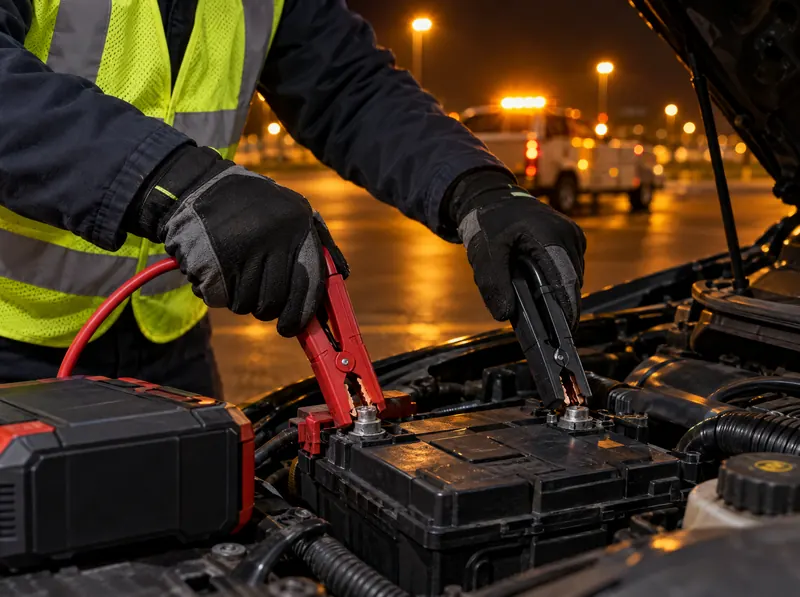
Jump starts
Clicks, dim dash lights or nothing at all? A dead battery jump, day or night.
Jump starts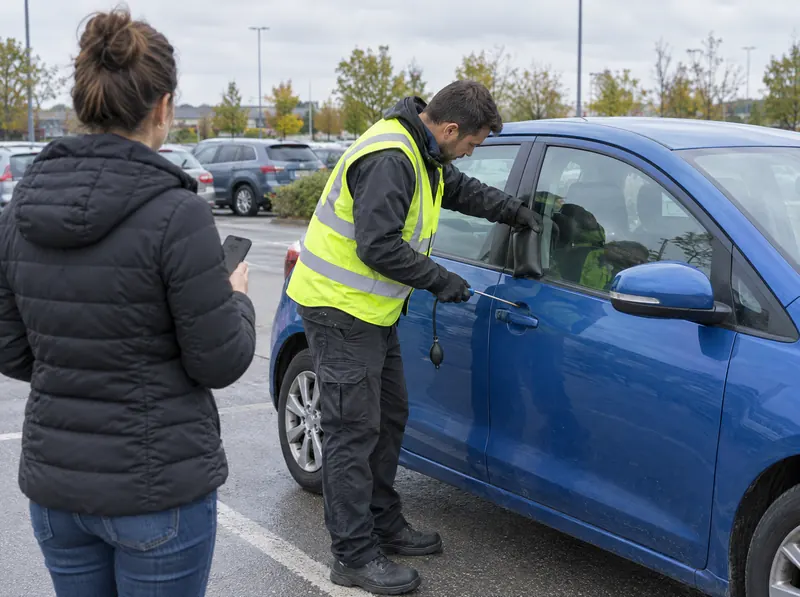
Car lockouts
Keys locked inside, on the seat or in the trunk. A partner works to get you back in without damage.
Car lockouts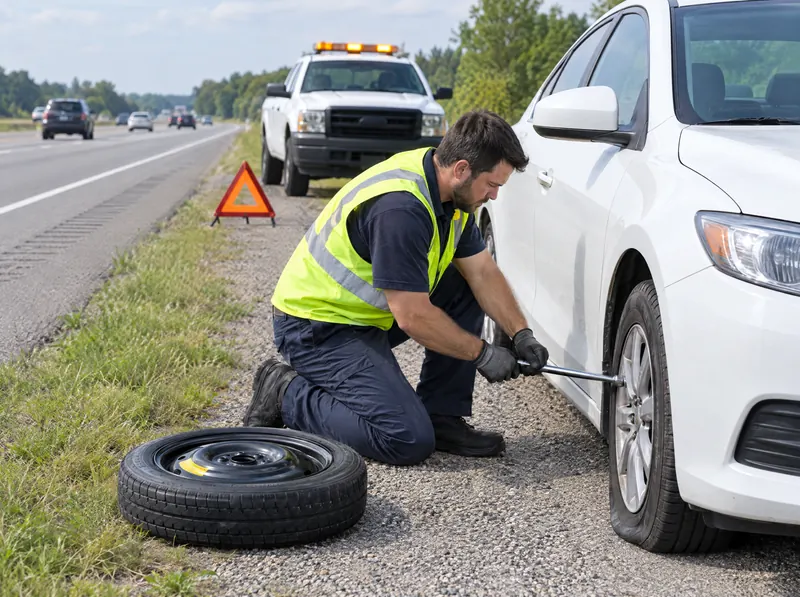
Flat tire changes
Got a spare but no safe way to put it on? A partner swaps it for you.
Flat tire changes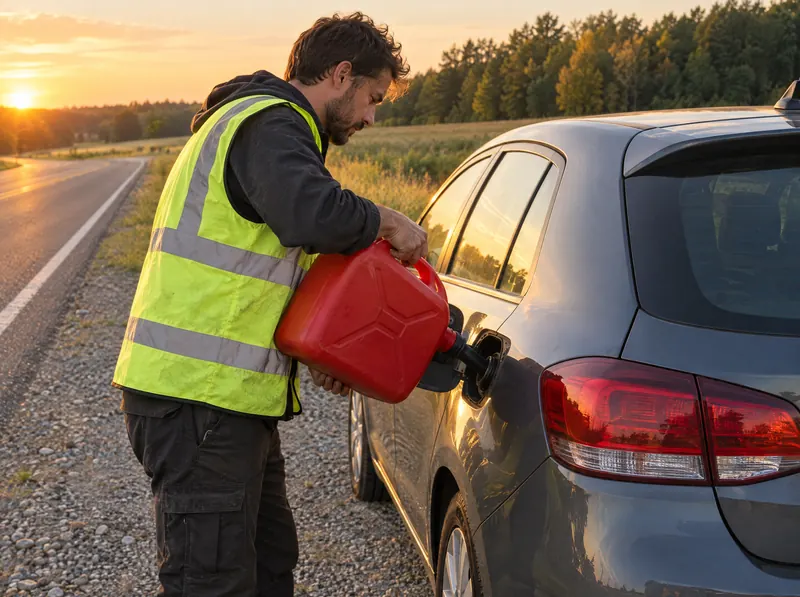
Fuel delivery
Ran out of gas? Enough fuel to get you to the nearest station.
Fuel delivery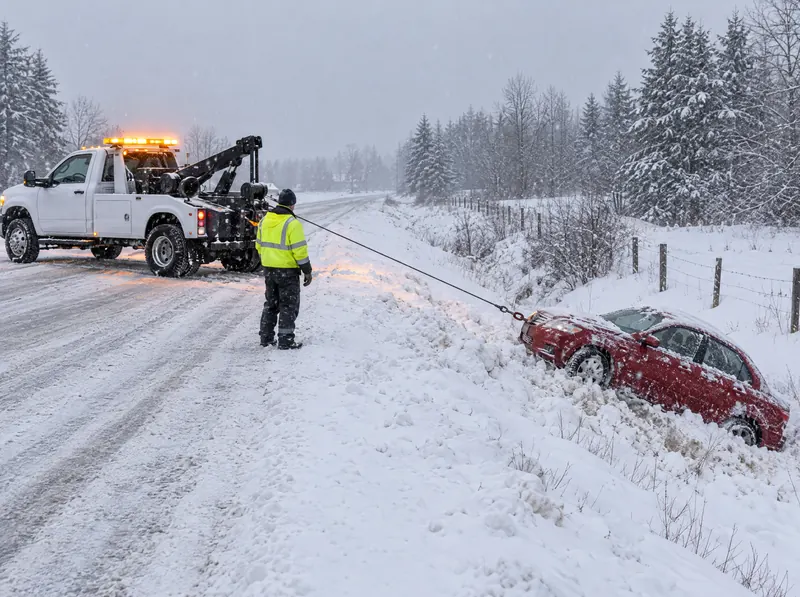
Winch-outs
Stuck in snow, mud or a shallow ditch near the road? A partner can usually pull you out.
Winch-outsAlberta
Stuck in Alberta? Call and We'll Stay With You.
Our line answers 24/7. Your price is locked by text before we send anyone.