Safety
Street Flooding Near Napoleon Avenue in New Orleans: What to Do With Your Car
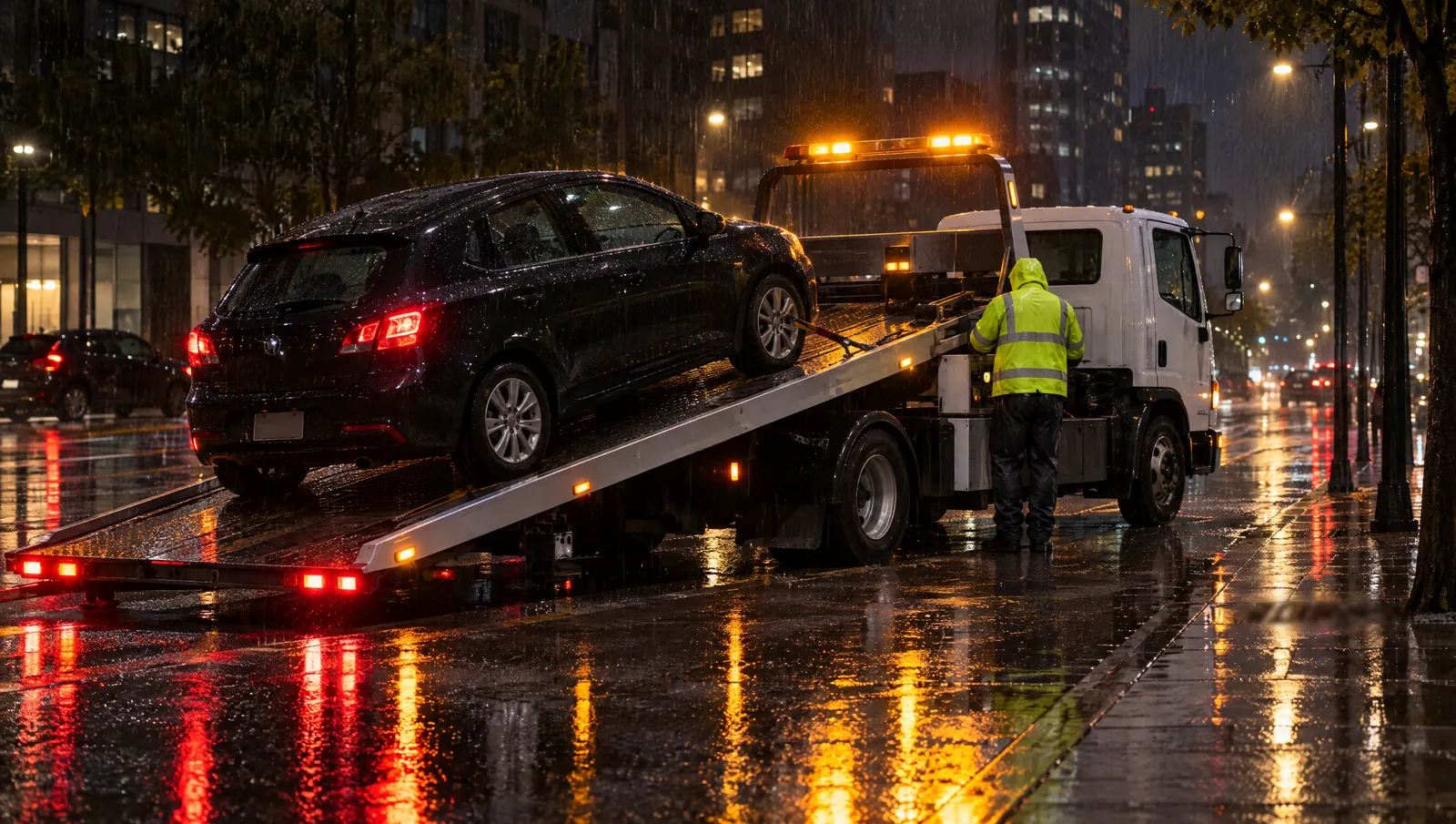
If the water near Napoleon Avenue in New Orleans is over the curb, stop and turn around. Don't drive into it. If your car stalls and water rises around you, leave the car right away, get to higher ground and call 911. Once the water is gone, don't try to start the car. Have it towed to a shop instead.
Why does Napoleon Avenue still flood after all that drainage work?
If you drove Uptown in the last decade, you saw the digging. The Army Corps of Engineers and the Sewerage and Water Board built big drainage canals under Napoleon Avenue as part of a program called SELA. The Corps lists the stretch from Claiborne to Carondelet as finished in summer 2016. The stretch from Carondelet to Constance was finished in summer 2018.
That work helps. It doesn't make the street flood proof. The Corps says SELA is built for about a 10-year rain. That's a storm with a 10% chance each year, roughly 9 inches of rain over a full day.
The bigger limit is speed. The Sewerage and Water Board says the system can move about half an inch of water an hour once the pipes fill. A storm that drops more than an inch in an hour will most likely outrun it. Water goes from the street into catch basins, then pipes, then canals, then pumps. The pumps can't start until gravity brings the water to them. So in a hard summer downpour, water sits in the street until the system catches up.
Is there a flooded underpass on Napoleon?
Not on the city's list. New Orleans put flood sensors and warning beacons at 12 underpasses that flood because they sit low. Napoleon Avenue isn't one of them. The ones closest to Uptown drivers include:
- Carrollton Avenue under I-10
- City Park Avenue under I-10
- Broad Street under the railroad bridge near Florida Avenue
- Canal Boulevard under the railroad bridge near Homedale Street
The rest are on Gentilly Boulevard, Franklin Avenue, Paris Avenue, Marconi Drive, Bernard Avenue, Downman Road and Press Drive. When water rises, the sensors make the beacons flash on both sides. Flashing means the road is closed. Police and fire crews also put up barricades at flooded underpasses.
The National Weather Service says never drive around barriers on a flooded road. The road under the water may be gone.
How deep is too deep to drive through?
Any water you can't see the bottom of is too deep. The city says plainly: don't drive through flood water. Here's why the numbers matter:
- The National Weather Service says 12 inches of rushing water can carry away most cars.
- Two feet of rushing water can carry away SUVs and pickups.
- NOLA Ready says a car will float in less than two feet of moving water.
Street water on Napoleon may look calm. It still hides open catch basins, potholes and curbs. You can't tell depth from the driver's seat at night. If the car ahead of you is pushing a wake, turn around and take another way.
My car stalled in the water. Do I stay or get out?
If water is rising around the car, get out. The city's flood guidance says to leave the car right away and move to higher ground. A car can be replaced. You can't.
- Undo your seat belt and pop the door locks first, before water presses on the doors.
- Take your phone and keys. Leave everything else.
- Get to higher ground: a porch, a raised sidewalk, a building.
- Call 911. The city asks people to call 911 to report street flooding and emergencies.
If the water is shallow and not rising, put your hazards on and stay put. Don't try to restart the engine. Water pulled into the engine can wreck it. Wait for the water to drop before you call for a tow.
Where can I move my parked car when the street floods?
Many people on Napoleon and the side streets park at the curb. When major street flooding hits, the city may lift parking rules on neutral grounds and sidewalks. That lets you move your car up out of the water. Follow the city's rules when you do:
- Don't block intersections or streetcar tracks.
- Don't park on tree roots or under branches.
- Drive slowly on and off the neutral ground so you don't rut the grass.
- Move it back. Unless the city says otherwise, the rules come back two hours after the flooding ends.
Only move the car if you can do it without driving through deep water. If the street is already flooded, leave the car where it is.
How do I know which streets are flooded right now?
Check the city's Streetwise map before you leave. It shows street flooding and crashes reported through 911 calls. It's built from reports, so a street can flood before anyone calls it in. Treat a blank map as a guess, not a promise.
To report street flooding, the city says call 911. Don't stop in moving water to take a photo.
My car was gone after the flood. Was it towed?
Maybe. Two things trip people up after a storm. Some leave the car on the neutral ground past the two hours. Others park on a sidewalk or in an intersection to escape the water. The city says it may tow right away for public safety. Blocking a crosswalk, an intersection or a sidewalk are on that list.
Here's how to check:
- Call the city at (504) 658-8100 to confirm a tow. For the fees owed on your plate, call (504) 658-8284.
- You pay at the tow yard at 400 N. Claiborne Ave., under the expressway at Conti Street. The city lists it as open 7:30 a.m. to 10 p.m., seven days a week.
- A car held more than 24 hours may move to the impound lot at 10200 Almonaster Ave. That lot is listed for weekdays, 8 a.m. to 6 p.m. You still pay at Claiborne first.
Sentinel doesn't do impounds or releases. Once the city releases your car, we can help if it won't start or won't drive.
The water is gone. Can I start my car?
If water got above the floor or near the bottom of the doors, don't turn the key. Starting a car with water in the engine can do far more damage than the flood did. Tow it to a shop and let a mechanic look first.
Some calls after a storm are simpler:
- Stuck in mud on the neutral ground: a winch-out can pull the car back to the pavement when it's close to the road.
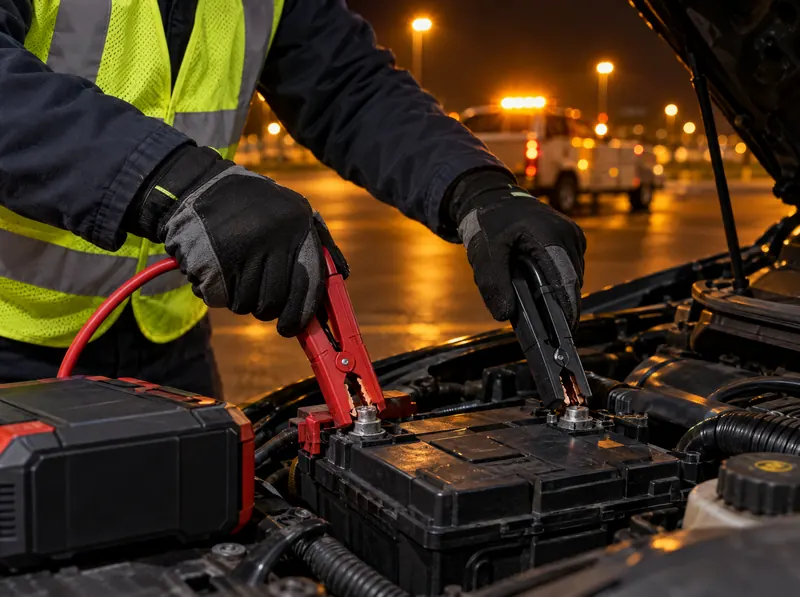
- Battery died while you waited out the storm: a jump start may get you home, if the car never sat in deep water.
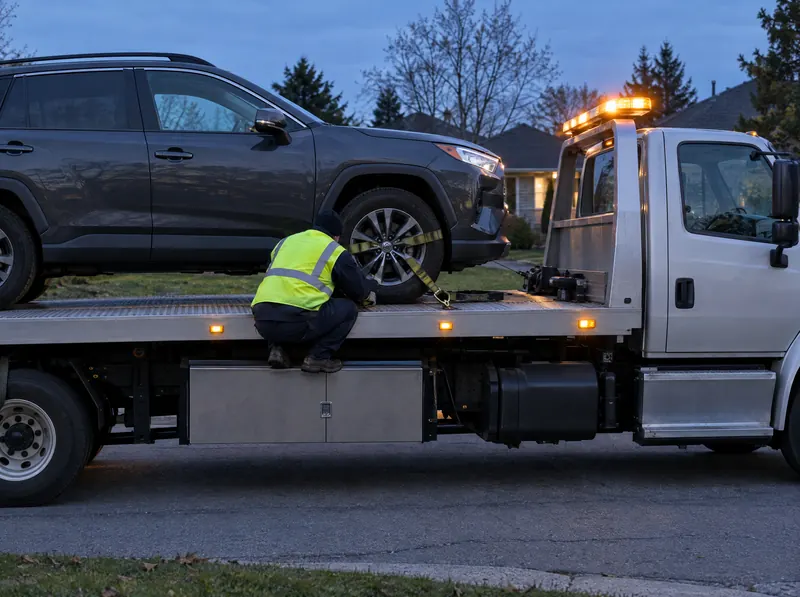
- Car took on water: book a car tow to your shop.
If the car stalled in a travel lane, Louisiana's R.S. 32:141 says you must move it as soon as possible and protect traffic until then. If you can't move it and water is rising, your safety comes first. Get out and call 911.
How does Sentinel help after a New Orleans flood?
Sentinel Towing is a towing and roadside network. A vetted local partner tow company does the job. We text you a locked price before anyone is sent. Then we check on you by text until your driver arrives. That's our Stay-With-You Promise. Tell us the cross street, like Napoleon at Freret or Napoleon at Magazine, and which side of the neutral ground you're on. For the interstates, bridges and the rest of the city, see our New Orleans towing page.
Stuck right now? Call 1-888-TOW-1213, or request help online.
Napoleon Avenue Flooding Questions
Can I park on the Napoleon Avenue neutral ground during a flood?
Only when the city lifts the rules during major street flooding. Don't block intersections or streetcar tracks. Move the car back within two hours after the flooding ends, unless the city says otherwise.
Will a tow truck come while the street is still flooded?
A tow truck can't safely work in deep, moving water either. If anyone is in danger, call 911. Once the water drops, call us and a vetted local partner can tow the car to a shop.
Why does the street flood when the pumps are running?
The Sewerage and Water Board says the system moves about half an inch of water an hour once the pipes fill. A storm that drops more than an inch in an hour will most likely outrun it. Water stays in the street until the system catches up.
Where do I report a flooded street in New Orleans?
The city says call 911. Reports from 911 calls show up on the city's Streetwise map, so other drivers can see them.
Rules change, so check the official source before you rely on it. Sources: Army Corps SELA project, S&WB SELA drainage, S&WB drainage system facts, NOLA Ready flooding, NOLA Ready flood hazard, Streetwise, National Weather Service, Find My Towed Vehicle, Towing Rules and Fees, La. R.S. 32:141.