Safety
Winter Driving Where Highway 2 Meets Highway 43 Near Grande Prairie
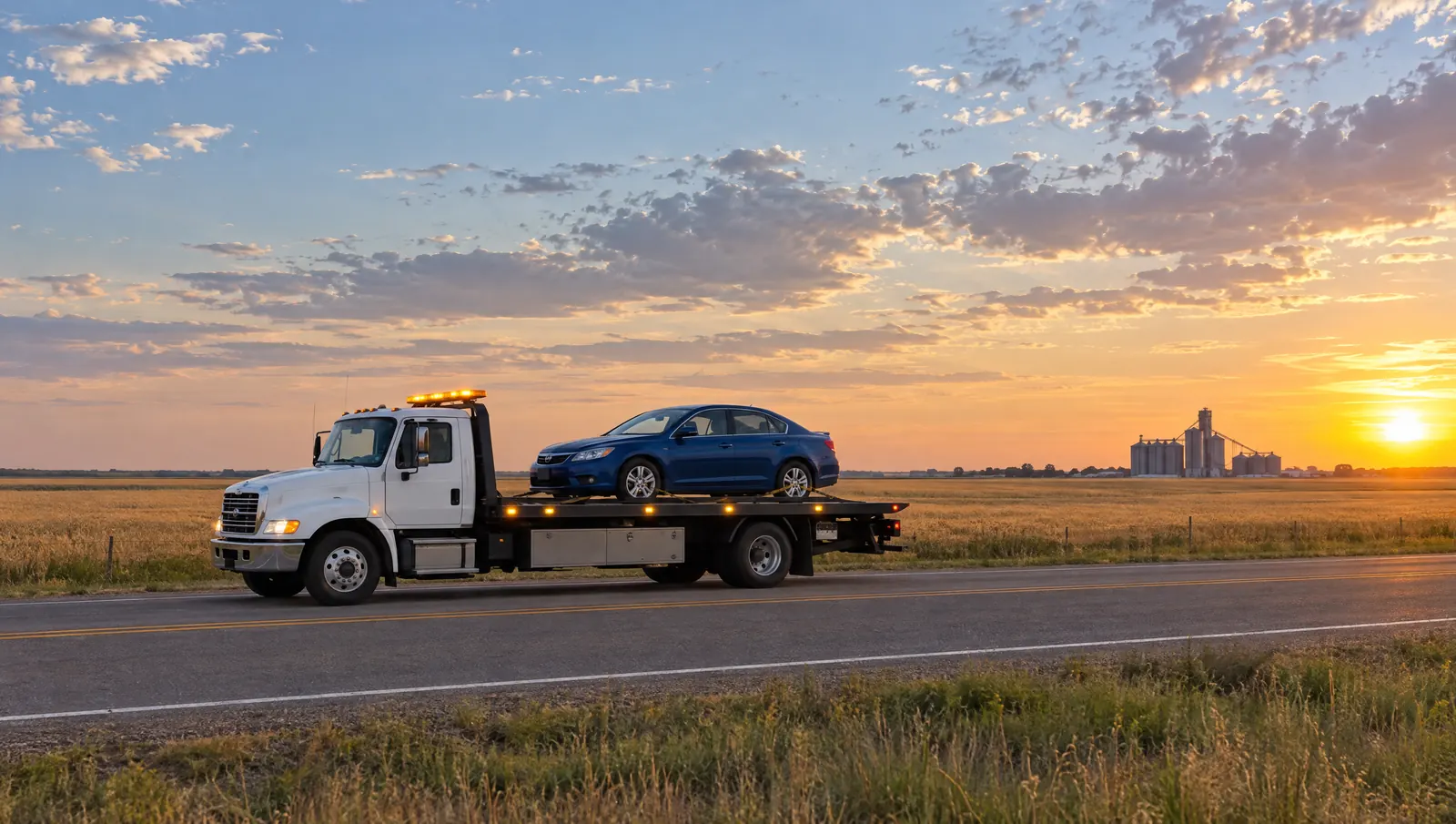
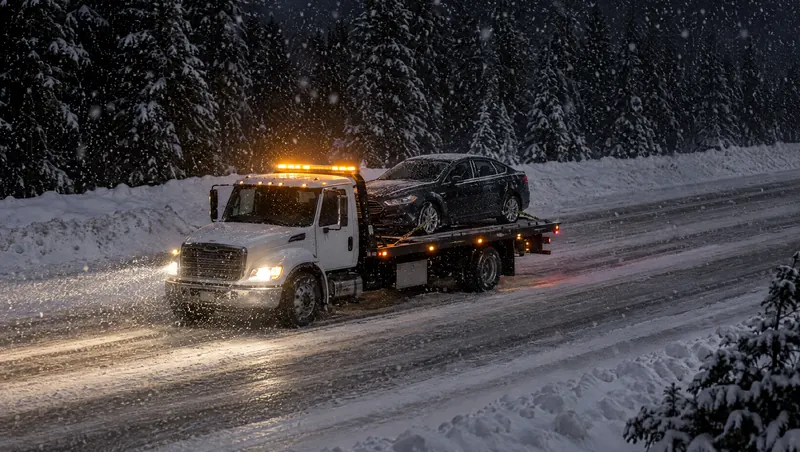
Highway 2 and Highway 43 meet at the Four Mile Interchange, about 6 km north of 100 Avenue in Grande Prairie. When snow, fog or freezing rain cuts your view there, slow down, keep your headlights on and don't pass. Get off at the next exit if you can. If you stall or slide off between exits, stay in the car, belt on, and call for help. Call 911 first if anyone is hurt.
Where exactly do Highway 2 and Highway 43 meet?
Coming out of the city, 100 Street turns into Highway 2. Head north and you reach the Four Mile Interchange. It got its name because it sits about four miles, or 6 km, north of 100 Avenue. From there, roads fan out three ways:
- North on Highway 2: through Clairmont, about 10 km from the city, then Sexsmith, about 20 km out, toward Peace River.
- East on Highway 43: past Bezanson and over the Smoky River, then on to Valleyview and Edmonton.
- West on the Highway 43 bypass: around the northwest edge of the city, past the Range Road 63 roundabout at 116 Street, to Highway 43 west of the airport. From there it runs to Wembley, Beaverlodge and the B.C. line.
That's a lot of traffic choosing a lane at one spot. In good weather it's easy. In a snow squall at dusk, it's where a small mistake turns into a car in the ditch.
When does visibility get worst around Grande Prairie?
Environment and Climate Change Canada keeps weather records at the Grande Prairie airport. Its 1981 to 2010 normals count roughly 112 hours a year when you can see less than 1 km. November is the worst month, with close to 24 of those hours. January comes next.
Fog is the bigger day-to-day problem. The airport averages about 28 days a year with fog, ice fog or freezing fog. November has the most, at about 5 or 6 days.
Freezing rain also peaks early. About 8 days a year bring freezing rain or drizzle, and November leads with about 2 of them. That's the month when roads look wet but act like a hockey rink.
Snow piles up later. January brings about 35 cm on average, out of about 154 cm a year.
What about blowing snow? The airport records only about 4 days a year. Don't let that low number fool you. Open fields can drift worse than an airport. The Alberta government warns that blowing snow can happen under clear skies and cut your view to zero.
How should you drive the interchange when you can't see?
The Alberta government's winter driving page gives plain rules. They fit this stretch well:
- Lights on. Turn on your real headlights. Daytime running lights may leave your taillights dark, so the driver behind can't see you.
- No cruise control. The province says never use it in winter conditions.
- Triple your gap. Leave at least 3 times your normal following distance on slick roads.
- Watch the bridges. Bridge decks are often slicker than the road around them. The interchange ramps and the Smoky River bridge both count.
- Don't pass. Transport Canada says to avoid passing when weather and roads are poor.
Speed limits are set for good roads. In Alberta you must drive to the conditions, and you can get a ticket if you don't. Pick your exit early. A late lane change on the ramp is a common way to spin.
If it gets too risky, Transport Canada says to find a safe place to stop. An exit, a rest stop or a building beats the shoulder. Clairmont, Sexsmith, Bezanson and Wembley are all places to wait out a squall.
What if you slide off between exits?
Alberta's rules let you stop on a provincial highway shoulder if your car can't move on its own, or in an emergency. So you're allowed to be there. Here's how to handle it.
- Turn on your hazards and keep your seatbelt on.
- Stay inside. The province says to remain calm, stay in the car and call for help.
- Run the engine for short spells for heat. First, check that snow isn't blocking your tailpipe.
- If your wheels just spin, stop. Transport Canada says to turn off your electronic stability control when you're stuck, but don't dig yourself deeper.
How do you tell someone where you are?
Out here there are no house numbers. Use the road markers instead. Say which highway, which way you were headed, and the last place you passed.
| If you're on | Name these markers |
|---|---|
| Highway 2 north | The Four Mile Interchange, Clairmont, Sexsmith |
| Highway 43 east | The interchange, Bezanson, the Smoky River bridge, Valleyview |
| Highway 43 bypass | The interchange, the Range Road 63 roundabout, 100 Avenue |
| Highway 43 west | The airport, Wembley, Beaverlodge |
Gaps east of the city are long. By the highway's kilometer markers, Bezanson is about 26 km past the interchange. The Smoky River is about 34 km past it. Valleyview is about 104 km out. Your phone's map pin helps a lot. Keep your phone charged, and carry a cable.
Will a passing tow truck stop for you?
Probably not, and that's the law working as written. A 2025 change to Alberta's rules says a tow truck driver must not stop on a highway within 200 m of a disabled car unless asked. You, the driver, can ask. So make the call yourself rather than waving at headlights.
When your driver arrives and parks with lights flashing, other traffic must move to the far lane. If drivers can't do that safely, they must slow to 60 km/h or the posted limit, whichever is lower.
Which problems can be fixed right on the shoulder?
Not every stop needs a tow. Here's how it usually splits:
- Slid into soft snow, no damage: a winch-out can pull you back onto the road, as long as you're near it.
- Cold battery quit on you: a jump start may get you to town. Booster cables are on the province's kit list for a reason.
- Ran low while idling for heat: fuel delivery brings enough to get moving. The province says to keep your tank more than half full in winter.
- Damage, or the engine won't run: you need car towing to a shop or home.
What if you crash near the interchange?
Call 911 if anyone is hurt or a car is blocking a live lane. Sentinel is not an emergency service.
The City of Grande Prairie says any collision with injuries, or damage over the limit set in Alberta law, must be reported to police. The City's Collision Reporting Centre is at the Eastlink Centre, South Entrance, 10 Knowledge Way. If your car can't be driven, a tow company can take you and the car straight there.
Inside the city, you can pick your own towing provider until the City's contractor has been dispatched. If you want to choose, say so early.
Should you even leave town in a storm?
Alberta's advice is simple: avoid driving during a blizzard and wait several hours after it ends. A blizzard warning means wind of at least 40 km/h with falling or blowing snow for 4 hours or more, and visibility of 400 m or less.
If you have to go, the province suggests three things:
- Check 511 Alberta or dial 5-1-1 for road conditions and cameras.
- Drive in daylight.
- Tell someone your route and when you expect to arrive.
Pack a blanket, a shovel, a flashlight and some sand or kitty litter for grip. A run to Sexsmith takes minutes on a clear day. In a whiteout, those same 20 km can feel endless.
Who comes when you call Sentinel?
Sentinel Towing is a towing and roadside network. We don't own trucks. A vetted local partner tow company does the job. We text you a locked price before dispatch, send your driver's name and photo, and check on you by text until help arrives. That's our Stay-With-You Promise. For roads and neighborhoods across the city, see our Grande Prairie towing page.
Stuck right now? Call 1-888-TOW-1213, or request help online.
Highway 2 and 43 Winter Questions
Is it safer to wait at the Four Mile Interchange or keep driving?
Don't stop on the ramps or the shoulder by choice. Transport Canada says to leave the road at an exit or rest area and wait in a building. Clairmont and Sexsmith are close by on Highway 2.
Which month has the worst visibility near Grande Prairie?
November. Environment Canada's normals for the airport show the most hours under 1 km of visibility that month. November also leads in fog days and freezing rain days.
Can I leave my car on the Highway 43 shoulder and walk to Bezanson?
Alberta's advice is to stay inside your vehicle and call for help. Walking along a highway in low visibility is risky. Keep the tailpipe clear and run the engine for heat now and then.
How do I check if Highway 43 is closed?
Use 511 Alberta online or dial 5-1-1 in Alberta. It shows highway conditions, roadwork, major incidents and cameras. Check before you leave the city.
Rules change, so check the official source before you rely on it. Sources: Alberta: safer winter highways, Alberta: blizzards and extreme cold, Transport Canada: driving safely in winter, ECCC climate normals, Grande Prairie A, Alberta Use of Highway and Rules of the Road Regulation, Alberta: roadside worker safety, City of Grande Prairie: collision reporting, 511 Alberta.