Safety
Winter Ice on the Old National Road Near Dayton: What to Do When US 40 Turns Slick
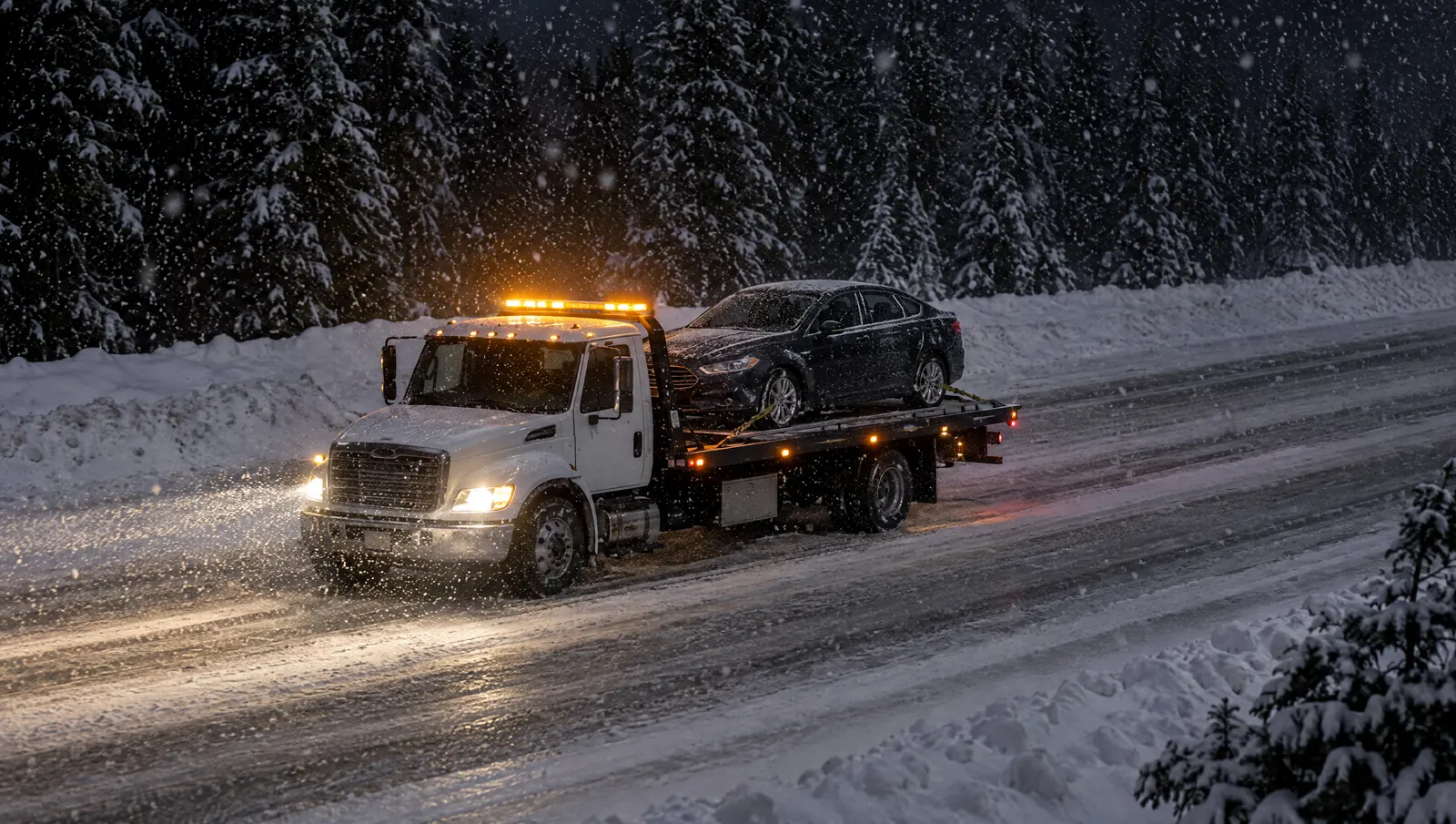
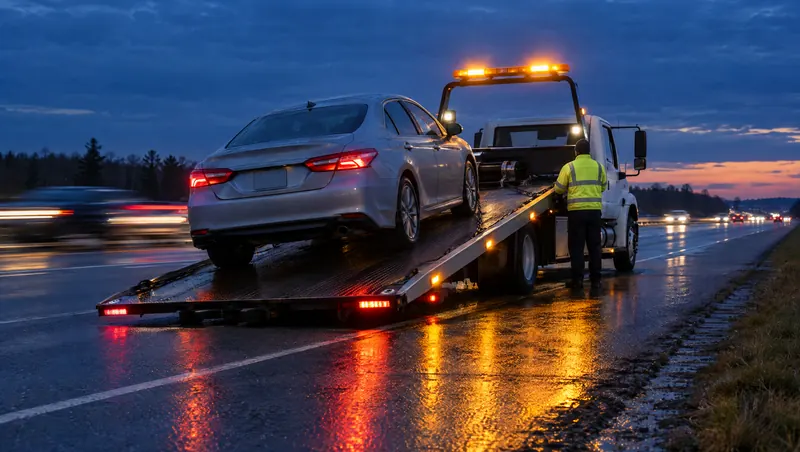
Around Dayton, US 40 follows the old National Road. It runs across the top of two flood dams, over the Stillwater and Great Miami rivers. The National Weather Service says bridges and overpasses freeze before other surfaces, and black ice is worst early in the morning. If you slide off near Englewood or Vandalia, stay buckled in with your hazards on. If anyone is hurt or your car is in a live lane, call 911 first. Then call for a winch-out, a jump or a tow.
Where does US 40 run around Dayton?
US 40 is a newer name on a very old road. It was built on top of the National Road. Congress created that road in 1806. It was the first highway the federal government paid to build.
US 40 never goes into Dayton itself. It skirts the northern suburbs and stays about 2 miles north of I-70. In Vandalia, it passes south of Dayton International Airport. There it crosses the Dixie Highway, I-75 and the Great Miami River. Farther east, it runs through Bethel Township in Clark County on the way to Springfield.
So "I'm on National Road near Dayton" could mean many places. When you call, give the town, your direction and the last cross street or landmark you passed.
Why are the two dam crossings different on an icy day?
It's easy to miss, but US 40 runs across the top of two big earth dams. Both are flood protection dams of the Miami Conservancy District, and the district says US 40 goes across the top of each one.
- Englewood Dam. It spans the Stillwater River in northern Montgomery County, near Englewood. The district lists it at 4,716 feet long and 110.5 feet high.
- Taylorsville Dam. It spans the Great Miami River in northern Montgomery County, near Vandalia. The district lists it at 2,980 feet long and 67 feet high.
A dam is not a bridge. No official source says these stretches ice first. But think about where a slide would leave you. On a flat road, a slide usually ends in a ditch or a snowbank. Up here, the road sits on top of a tall bank of earth. A car that slides off may stop on a slope.
That's why a slide here calls for quicker choices than a stall on a flat shoulder. Don't get out to walk the bank and look. Stay put. When you call, say "on top of Englewood Dam, heading east" or "Taylorsville Dam, heading west." Your driver then knows where to stop and which side you're on.
When does black ice show up around Dayton?
The weather service calls black ice patchy ice you can't easily see. It's often clear, with the dark road showing through. It's most common in the early morning. That's when snow that melted during the day freezes again overnight. It also forms when roads wet from rain drop below freezing at night.
So the worst morning is not always the snowy one. Often it's the sunny day after, with a hard freeze that night. The NOAA normals below come from the weather station at Dayton International Airport. US 40 passes just south of that airport.
| Month | Normal low (°F) | Nights at or below 32°F |
|---|---|---|
| November | 35.4 | 13.8 |
| December | 27.1 | 23.3 |
| January | 21.8 | 25.9 |
| February | 24.5 | 22.5 |
| March | 32.7 | 17.3 |
| April | 42.9 | 5.0 |
Look at the ends of the season. November averages under an inch of snow but almost 14 freezing nights. Your first icy morning can come before your first real snow. In March, the normal low sits right at the freezing mark, and about 17 nights still freeze. That's the melt by day, freeze by night pattern the weather service warns about. Don't relax just because the snow piles are gone.
What should you do the moment you start to slide?
The weather service says roads that only look wet can still be slick. If you feel the car start to skid, here's its advice:
- Stay calm and ease your foot off the gas.
- Turn your wheels the way you want the front of the car to go.
- Got anti-lock brakes? Press the pedal with steady pressure. Never pump anti-lock brakes.
Better yet, slow down before you reach the dam tops and each bridge. Do your braking while the road under you still grips.
You slid off US 40. What now?
- Check on everyone. If anyone is hurt, or your car is stuck in a live lane, call 911 first. Sentinel is not an emergency service.
- Stay buckled in with your hazards on. Other cars may slide on the same patch that got you.
- Stop spinning the tires. Gunning the engine usually digs the wheels in deeper.
- Don't walk on the ice or the bank. A fall on a slope at night is worse than a wait in a warm car.
- Pin down your spot. Town, direction, the last cross street, or which dam you're on.
- Need the police, but it's not an emergency? The Ohio State Highway Patrol's help page says to call #677 for assistance.
ODOT says Ohio's Move Over law covers any stopped vehicle with flashing lights of any color, and it names tow trucks. It applies on all roadways, interstates and city streets alike. But on ice, a driver who tries to move over can slide too. Stay well clear of the lane while your driver works.
What if the snow keeps falling while you wait?
Before any winter drive, the weather service says to tell someone your route. Bring a charged phone, a car charger and an emergency kit. If you get stuck while it's still snowing, it says to do this:
- Stay in the vehicle. In wind-driven snow, you can get lost fast outside.
- Clear snow from the exhaust pipe. The weather service says this helps you avoid gas poisoning.
- Run the engine for roughly 10 minutes each hour for heat. Crack a window while it runs, for fresh air.
- Be easy to spot. Turn on the dome light at night while the engine runs. Tie a bright cloth, red if you have one, to the antenna or door.
- Raise the hood once the snow stops. It tells people you need help.
What do Montgomery County's snow levels mean for your drive?
The Montgomery County Sheriff can declare a snow emergency. The sheriff's page says Ohio Attorney General Opinion 86-023 allows it. That opinion lets a county sheriff close county and township roads in that county for a time. Here's what each level means, in the sheriff's words, cut short:
- Level 1. Roads are hazardous with blowing and drifting snow, and they are icy. Drive very cautiously.
- Level 2. Only those who feel it is necessary to drive should be out. Check with your employer about work.
- Level 3. All roadways are closed to non-emergency personnel. People who drive anyway may face prosecution.
To check the current level, call 937-496-SNOW (7669), the line on the sheriff's page. A level covers that sheriff's own county. US 40 crosses into Clark County on the way to Springfield, so a different sheriff makes the call out there. For crashes, closures and weather on the road itself, check OHGO. ODOT's traffic operators update it live.
Do you need a winch-out, a jump or a tow?
Tell us what happened and what you see. That decides who comes and what the job is.
- Slid into snow or a shallow ditch, no damage. Ask for a winch-out. It's for cars, SUVs, minivans and light pickups close enough to reach from the road. If your car went far down a bank, that takes a heavy recovery company. We'll tell you before anyone is sent.
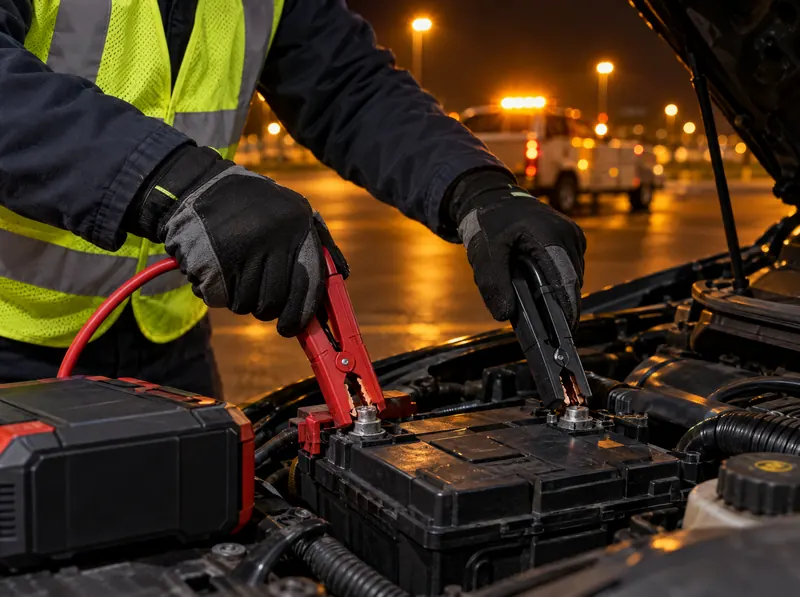
- The car sat out on a freezing night and now only clicks. A jump start may be all you need.
- After the slide, it pulls hard, leaks, scrapes or won't steer straight. Don't drive it on ice. Car towing takes it to the shop you pick.
How does Sentinel help on an icy night?
Sentinel Towing is a towing and roadside network, and we don't own trucks. A vetted local partner tow company does the job. You get your price by text before anyone is sent. That price is the most you pay for the job you describe. If a winch-out turns into a tow, we text a new price first, and you decide. You get your driver's name, photo and truck, and you can track your truck. Give us one family member's number, and we text them where you are. We check on you by text until the truck arrives. Read every term in the Stay-With-You Promise. For the rest of the area, see our Dayton towing page, or our Dayton storm breakdown guide for tornado season.
Stuck right now? Call 1-888-TOW-1213, or request help online.
US 40 Ice Questions
Does US 40 ice over before I-70 near Dayton?
No official source says one road ices before the other. The weather service says bridges and overpasses freeze before other surfaces. Slow down for every bridge on any road, and for the two dam crossings on US 40.
My car slid off the top of Englewood Dam. Can you winch it out?
If anyone is hurt, call 911 first. A light-duty winch-out works when the truck can park on solid ground and reach your car with its cable. If your car went far down the bank, it needs a heavy recovery company, and we'll say so before anyone is sent.
How do I find out if Montgomery County is under a snow emergency?
Call 937-496-SNOW (7669), the line the sheriff's office lists, or check the sheriff's snow page. At Level 3, all roadways are closed to non-emergency personnel. OHGO shows crashes and closures on the roads.
Should I stay in my car or walk for help in a snowstorm?
The weather service says to stay in the vehicle. Clear snow from the exhaust pipe, run the engine for heat in short stretches, and crack a window while it runs. Walking in blowing snow can get you lost fast.
Rules change, so check the official source before you rely on it. Sources: NWS: ice and black ice, NWS: caught in a winter storm, NOAA monthly normals, Dayton International, MCD: Englewood Dam, MCD: Taylorsville Dam, Montgomery County Sheriff: snow emergencies, ODOT Move Over, OHGO, Ohio State Highway Patrol help center.