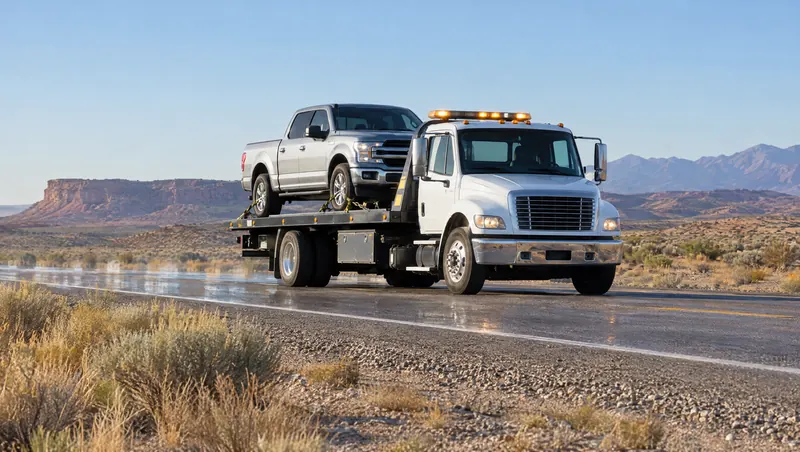
24/7 towing and roadside help
Towing and Roadside Help in Arizona
Broken down in Arizona? Call 1-888-TOW-1213. We lock your price by text, send the nearest available partner tow company and stay with you until help arrives.
If anyone is hurt or you're stopped in a live lane, call 911 first.
How it works in Arizona. Sentinel Towing is a network, not a tow company. A vetted local partner near you does the job. We stay with you by text and hold them to your locked price.
Towing by City in Arizona
Roadside guides for Arizona
Same state, opposite problems
Arizona Breakdowns Depend on the Elevation
Arizona has the US metro with the most days over 100 degrees, Phoenix, and the lower-48 metro with the most nights below freezing, Flagstaff. A breakdown here looks very different depending on which half of the state you're in.
The low desert
From June through September, desert heat runs from 90 to 120 degrees. Waiting on a hot shoulder is the real danger, so call early and keep water in the car. Late summer brings the monsoon: lightning, wind and short, heavy downpours that often cause flash floods. Under A.R.S. 28-910, a driver who goes around a barricade into a flooded road can be billed for the rescue.
The high country
The northern third of Arizona is a plateau with cold winters. I-17 climbs more than a mile between Phoenix, at 1,117 feet, and Flagstaff, at 7,000 feet. Cold air from Canada can push the north below zero. Up there, the calls look more like the Midwest: a dead battery on a frozen morning or a car stuck in a snowy pullout.
Interstates and empty miles
Where Arizona Drivers Get Stranded
Six Interstates serve the state: I-8, I-10, I-15, I-17, I-19 and I-40. I-40 runs 359 miles across the north, through Kingman, Seligman, Williams, Flagstaff, Winslow and Holbrook, mostly on the old US 66 line. I-8 leaves Yuma and crosses the Sonoran Desert to meet I-10 just southeast of Casa Grande. Between towns on these roads, a milepost and your direction of travel are the fastest way for us to find you and send a partner for a tow.
Arizona's move-over rule, A.R.S. 28-775(E), applies to any stationary vehicle showing flashing or warning lights. On a highway with four or more lanes, passing drivers must move out of the lane next to it, or slow down if they can't. Your hazards count, and so do the lights on the partner's truck.
If a dust storm drops visibility, the National Weather Service says to pull off the pavement as far as you can, turn off your lights, set the parking brake and take your foot off the brake. Call us once you're stopped. Road reports are on AZ 511.
Why are the signs on I-19 in kilometers?
I-19, between Tucson and the border, uses kilometer posts instead of mileposts. If you break down on it, read us the number on the nearest post and say it's I-19. That's enough for us to place you.
Roadside help in Arizona
Towing and Roadside Services Across Arizona
Sentinel is a 24-hour towing and roadside assistance network across Arizona. Tell us where you are, and we send a vetted local towing company near you with a truck suited to the job: a tow truck for a car that can't be driven (a flatbed where the vehicle needs one), or a service truck for a jump start, lockout, flat tire, fuel delivery or winch-out.
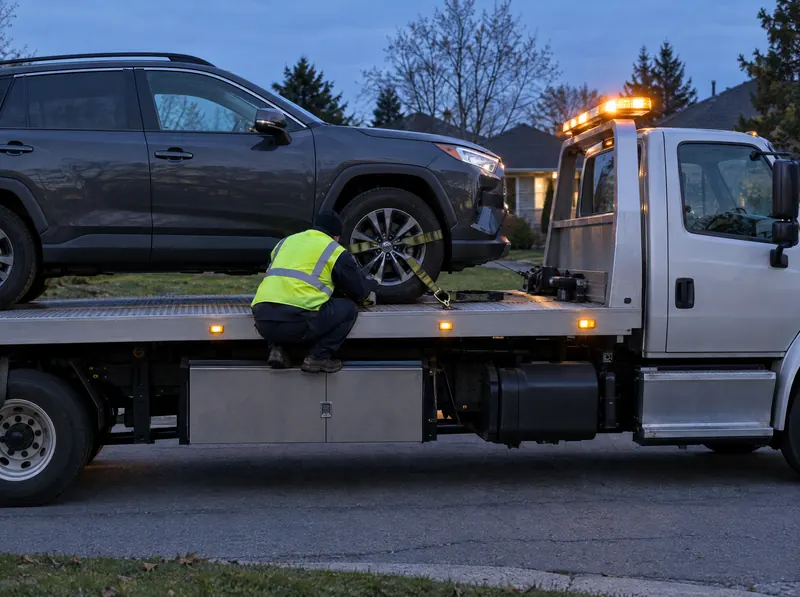
Car towing
Cars, SUVs, minivans and light pickups. Price locked by text, photos before hookup.
Car towing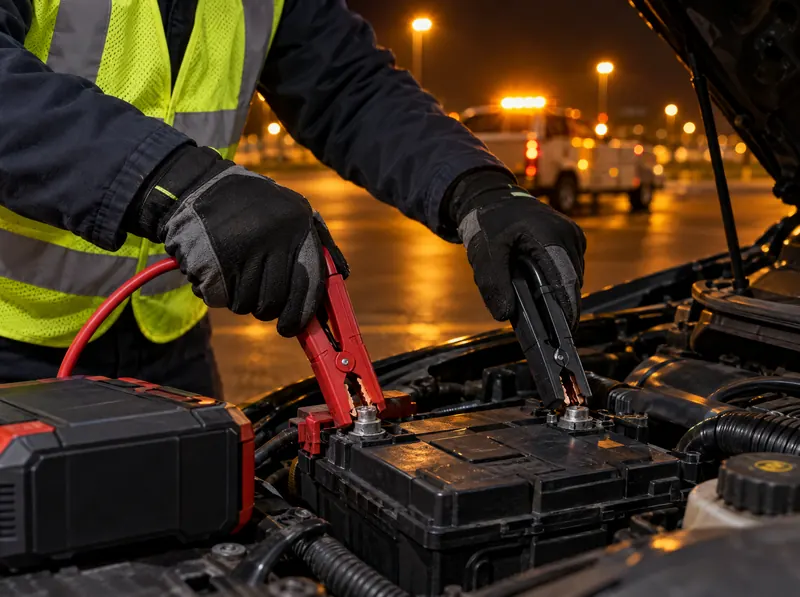
Jump starts
Clicks, dim dash lights or nothing at all? A dead battery jump, day or night.
Jump starts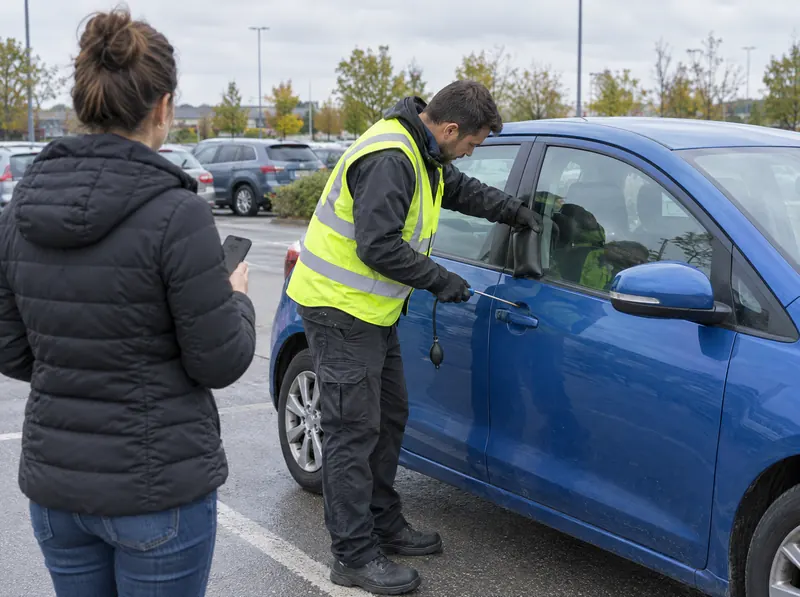
Car lockouts
Keys locked inside, on the seat or in the trunk. A partner works to get you back in without damage.
Car lockouts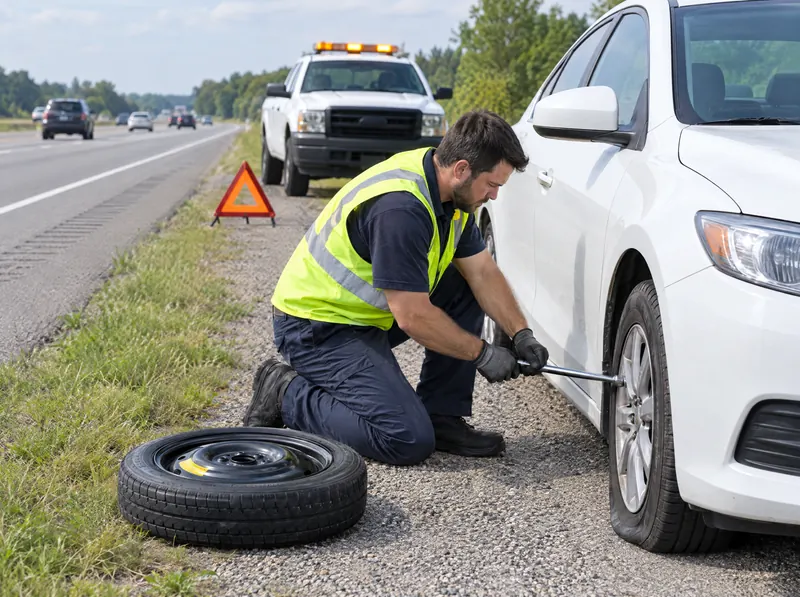
Flat tire changes
Got a spare but no safe way to put it on? A partner swaps it for you.
Flat tire changes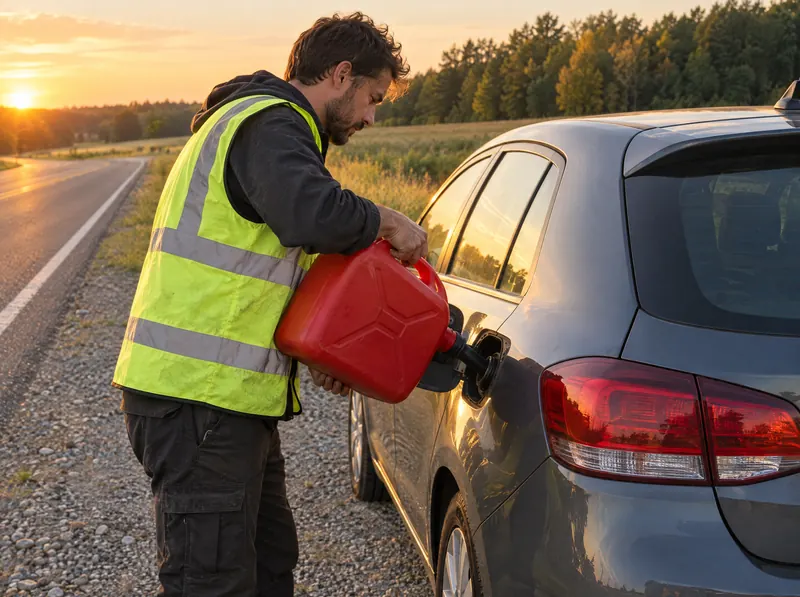
Fuel delivery
Ran out of gas? Enough fuel to get you to the nearest station.
Fuel delivery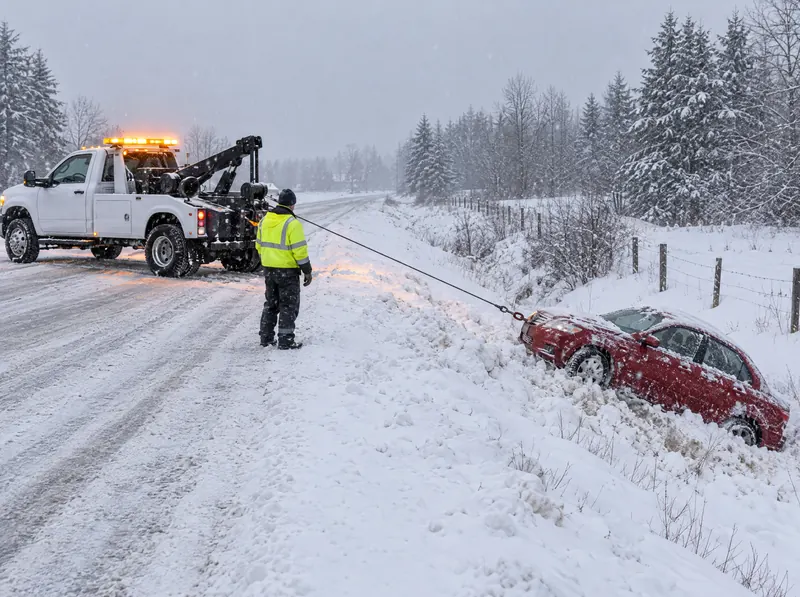
Winch-outs
Stuck in snow, mud or a shallow ditch near the road? A partner can usually pull you out.
Winch-outsArizona
Stuck in Arizona? Call and We'll Stay With You.
Our line answers 24/7. Your price is locked by text before we send anyone.