24/7 towing and roadside help
Towing and Roadside Help in Colorado
Broken down in Colorado? Call 1-888-TOW-1213. We lock your price by text, send the nearest available partner tow company and stay with you until help arrives.
If anyone is hurt or you're stopped in a live lane, call 911 first.
How it works in Colorado. Sentinel Towing is a network, not a tow company. A vetted local partner near you does the job. We stay with you by text and hold them to your locked price.
Towing by City in Colorado
Roadside guides for Colorado
Front Range, Rockies and plains
Two Interstates Carry Most of Colorado
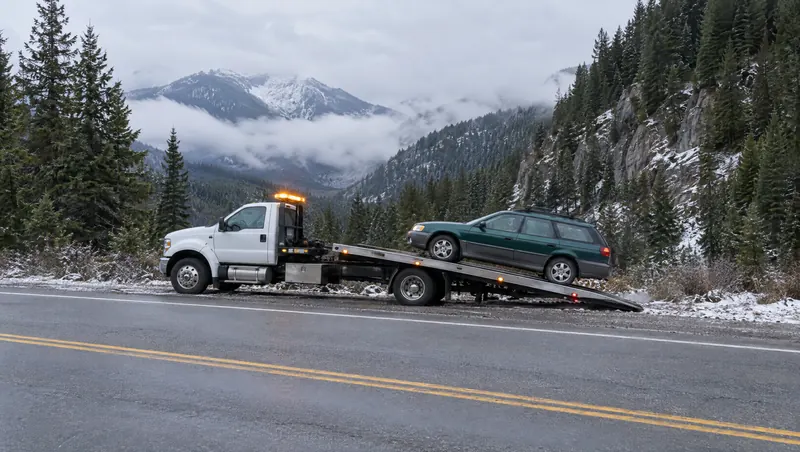
I-25 is the state's main north-south road. It links Pueblo, Colorado Springs, Denver and Fort Collins, and runs on to Wyoming and New Mexico. I-70 is the main east-west road. West of Denver it climbs into the Rockies and passes through the Eisenhower Tunnel, which at 11,158 feet is the highest point on the Interstate system. Then it crosses Vail Pass and runs through Glenwood Canyon toward Grand Junction and Utah. East of Denver, I-70 heads out across the Great Plains to Kansas. Many smaller towns connect to all of this only by county roads.
That spread means very different breakdowns. A battery that dies overnight at a trailhead lot. A car that can't hold an icy grade. A flat tire on a quiet stretch between plains towns. We send a partner for a winch-out, a jump or a tow, and your price is set by text before they roll. Have these ready when you call:
- The highway and your direction, like eastbound I-70 or northbound I-25
- The last exit number or mile marker you passed
- Whether you're on the shoulder, in a parking lot or off the road
- What went wrong: won't start, flat, stuck, or can't be driven
Colorado law
Passing a Stopped Tow Truck in Colorado
C.R.S. 42-4-705(2) covers a towing carrier showing flashing yellow lights, and it also covers any stationary vehicle giving a hazard signal. On a highway with more than one lane your way, passing drivers must move at least one lane over when it's safe. Otherwise they must slow to a safe speed. The law presumes that means 25 mph or less where the limit is under 45, and 20 mph under the limit where it's 45 or higher. The text is in the Colorado Revised Statutes, Title 42.
Traction Law and Chain Law days
During winter storms, CDOT can put a Traction Law in place on any state highway, posted on road signs and on COtrip. You then need an all-wheel or four-wheel drive vehicle with mud and snow, winter or all-weather rated tires and at least 3/16 inch of tread, or chains or an approved traction device. The Chain Law is the final step before a highway closes.
Colorado Questions
My car can't make it up an icy grade. Can you help?
If a partner can safely reach you, yes. A winch-out or a short tow to a safe spot is often the fix. If the highway is closed, we'll tell you that on the call and help you from where you are.
Roadside help in Colorado
Towing and Roadside Services Across Colorado
Sentinel is a 24-hour towing and roadside assistance network across Colorado. Tell us where you are, and we send a vetted local towing company near you with a truck suited to the job: a tow truck for a car that can't be driven (a flatbed where the vehicle needs one), or a service truck for a jump start, lockout, flat tire, fuel delivery or winch-out.
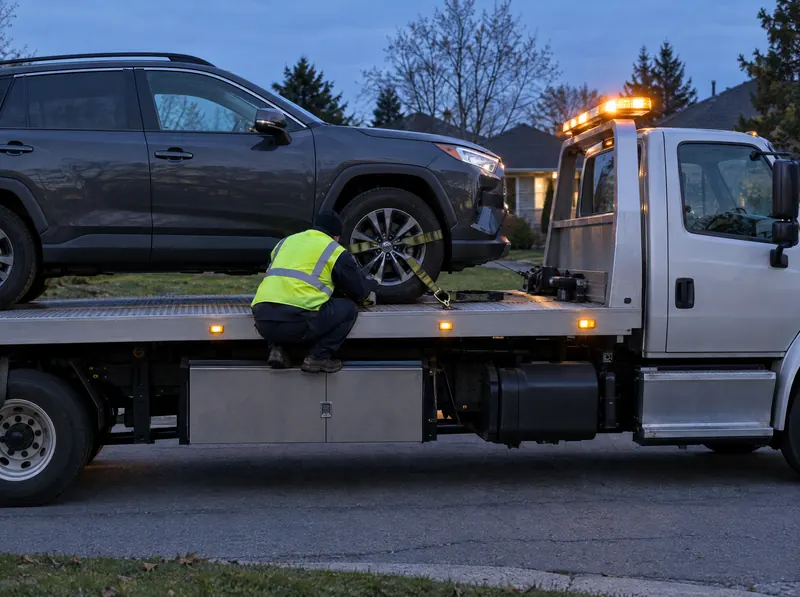
Car towing
Cars, SUVs, minivans and light pickups. Price locked by text, photos before hookup.
Car towing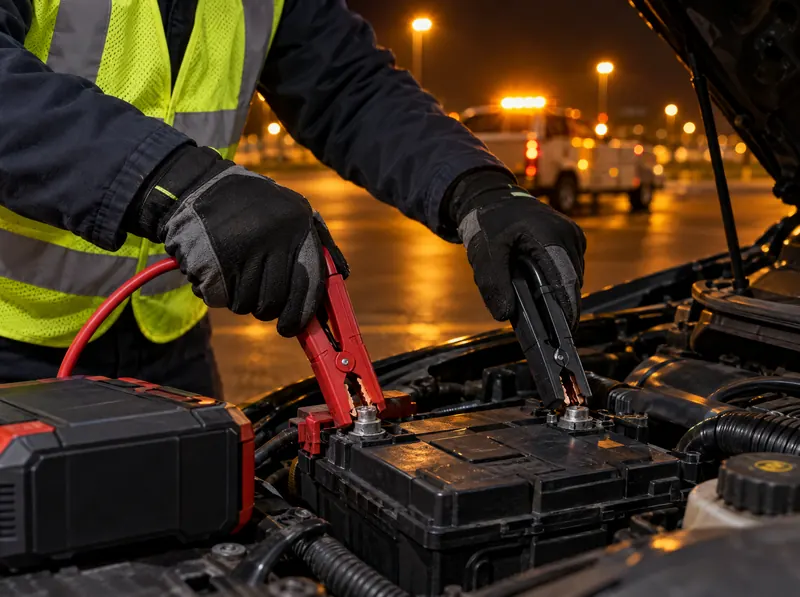
Jump starts
Clicks, dim dash lights or nothing at all? A dead battery jump, day or night.
Jump starts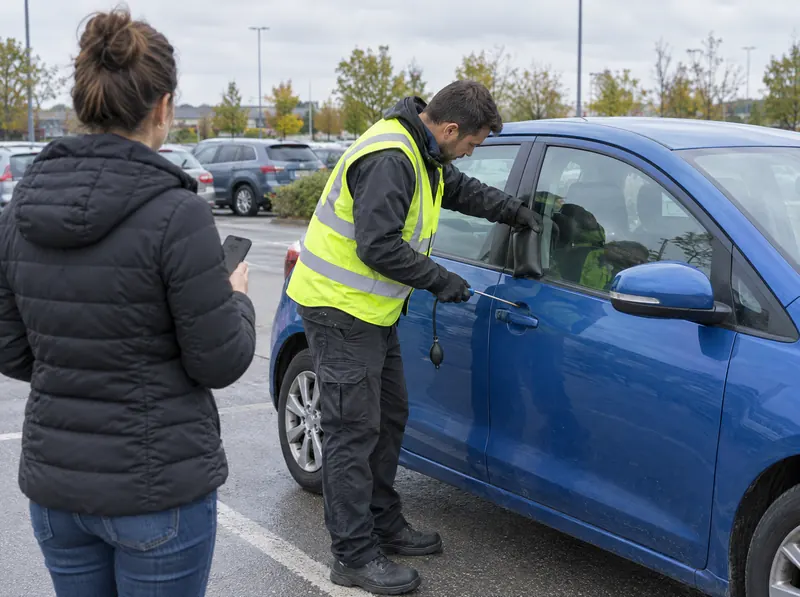
Car lockouts
Keys locked inside, on the seat or in the trunk. A partner works to get you back in without damage.
Car lockouts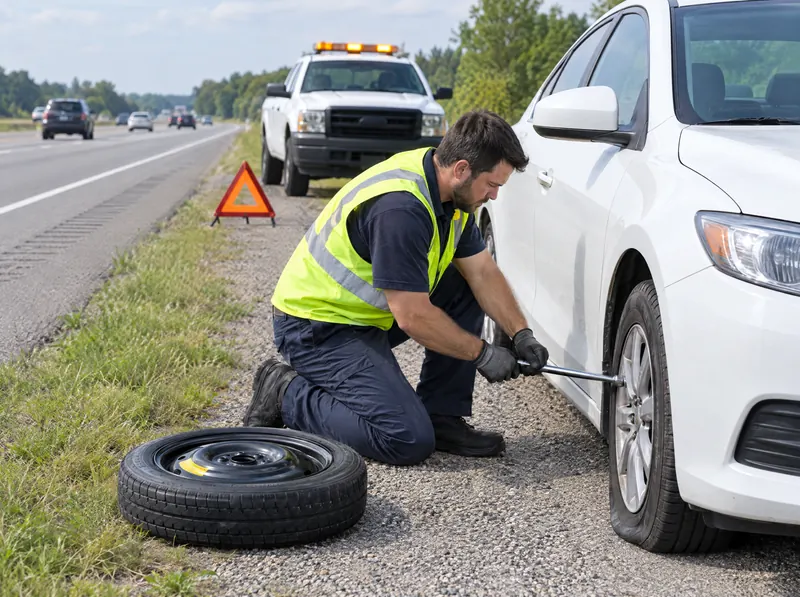
Flat tire changes
Got a spare but no safe way to put it on? A partner swaps it for you.
Flat tire changes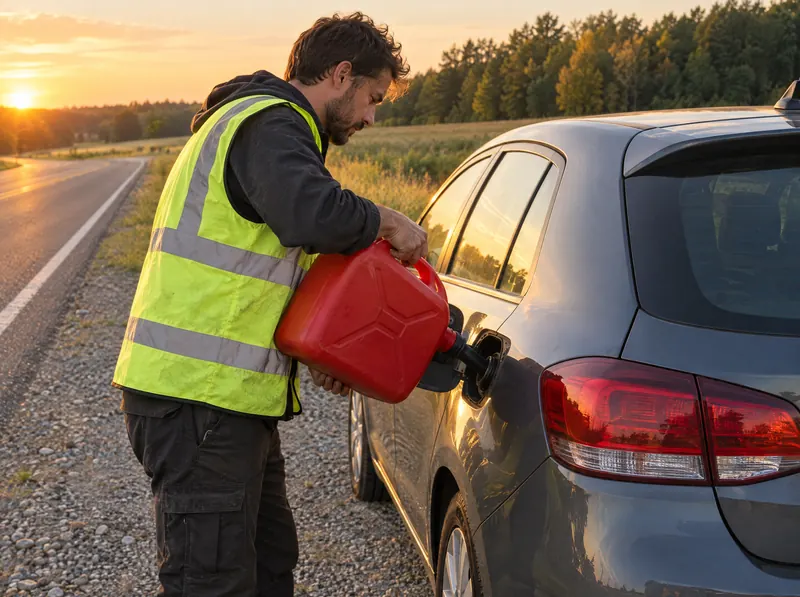
Fuel delivery
Ran out of gas? Enough fuel to get you to the nearest station.
Fuel delivery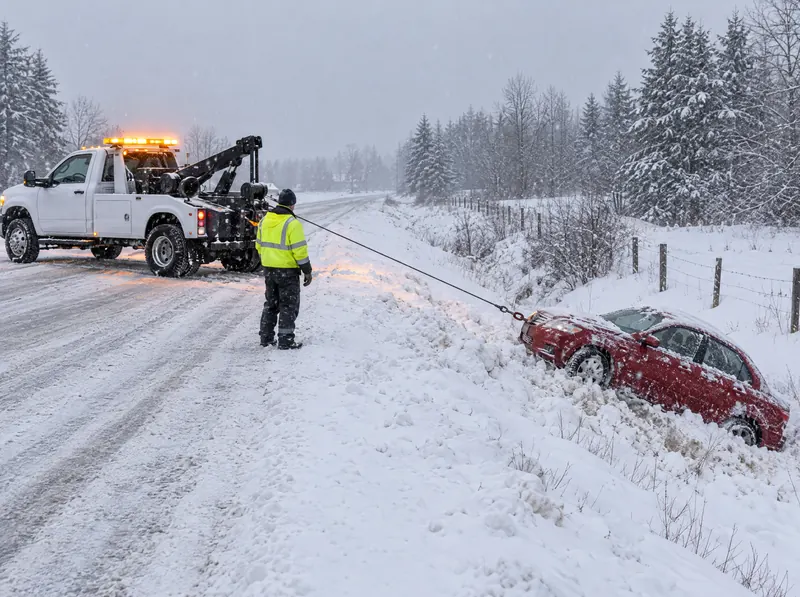
Winch-outs
Stuck in snow, mud or a shallow ditch near the road? A partner can usually pull you out.
Winch-outsColorado
Stuck in Colorado? Call and We'll Stay With You.
Our line answers 24/7. Your price is locked by text before we send anyone.