Safety
Icy Conditions on the Bob Michel Bridge in Peoria: How to Cross and What to Do If You Stall
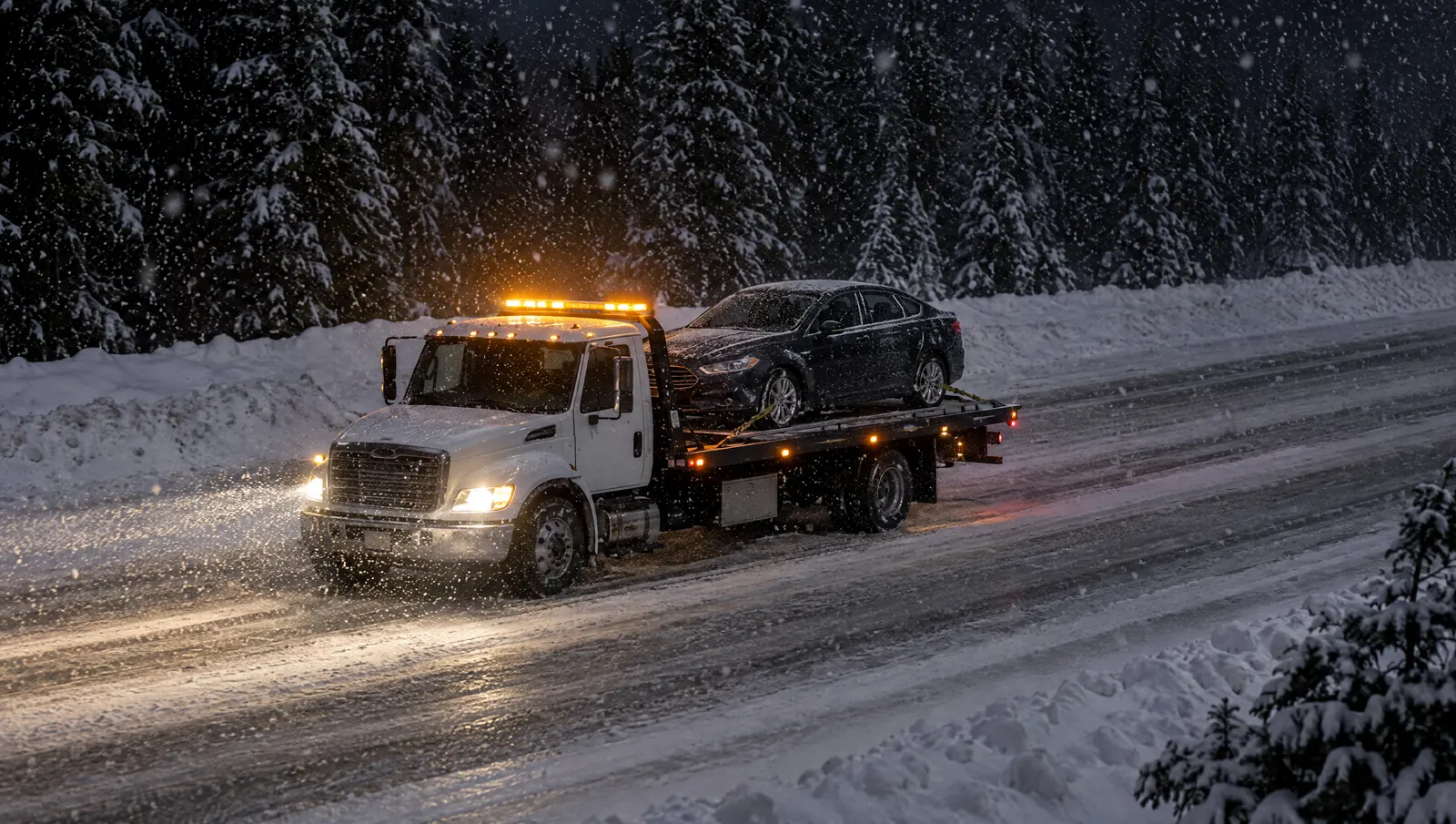
The Bob Michel Bridge carries Illinois 40 over the Illinois River between Peoria and East Peoria. On a cold night it can be slick while Knoxville Avenue still looks fine. IDOT warns that bridges are prone to black ice. Slow down before you reach the span, skip cruise control and leave extra room. If you slide or stall on it, hazards on, stay buckled in, and call 911 if you're stuck in a lane.
Why does the Bob Michel Bridge get icy before the streets around it?
A bridge has cold air above it and cold air below it. The deck loses heat from both sides. A street sits on warm ground. So on a clear, cold night, the bridge can freeze first.
IDOT says it plainly in its winter tips. Watch for black ice on roads that look clear. Be extra careful near intersections, ramps, bridges and shady spots. All of them are prone to icing.
The Bob Michel Bridge is about half a mile long. That's a long stretch of open deck over the river, with wind off the water. It's one of six bridges over the Illinois River near Peoria, and it carries about 17,000 cars a day. Most of those drivers cross it without a thought. On an icy night, give it a thought.
How often does it get cold enough?
Often. At the Peoria airport, NOAA's normals show about 118 nights a year at or below 32 F. The normal January low is about 18 F. About 26 inches of snow falls in a normal year. Fall and early spring nights near freezing are the sneaky ones. The air feels mild, the streets are wet, and the deck turns to glaze.
Doesn't IDOT salt the bridge?
Yes. IDOT takes care of state highways like Illinois 40. In winter it treats bridges with salt brine two to three times a week to stop frost. It also treats them before a storm.
But salt has limits, and IDOT lists them:
- Salt goes down when the pavement is 15 degrees or warmer.
- Below 15, crews need extra chemicals mixed in for salt to work.
- Below 5, or in heavy snow, no treatment goes down at all.
Peoria gets nights near zero most winters, about six a year in NOAA's normals. On those nights, a treated deck can still be slick. In heavy snow, crews plow first and salt later. So a salted bridge is not an ice-free bridge.
How do you cross it safely on an icy night?
Treat the bridge as its own road. Change how you drive before your tires touch the deck.
- Slow down on Knoxville before the span. Do your braking on the approach, not on the bridge.
- Turn off cruise control. IDOT says not to use it on snow and ice.
- Pick your lane early. There are two lanes each way. Don't change lanes on the deck.
- Leave a big gap. If the car ahead spins, you need room to stop.
- Steer gently. No sudden moves with the wheel, the gas or the brake.
- Headlights on when it snows. That's on IDOT's list too.
Before you leave, clear all the snow and ice off your car. IDOT points out that it's the law in Illinois. A sheet of ice that flies off your roof on the bridge is a danger to the car behind you.
Before a late trip, check Getting Around Illinois for road conditions. It shows how covered the roads are and any closures.
What if you slide or your car dies on the bridge?
Illinois law bans stopping on a bridge. That rule doesn't apply when your car is disabled and you can't help it. So if the car still moves, keep going. Get off the deck and onto solid ground before you stop.
If you can't, work through this in order:
- Hazard lights on right away.
- Steer as far right as you can, but don't hit the barrier on purpose.
- Stay in the car with your seat belt on. Ice makes walking on the deck dangerous, and cars behind you may slide too.
- If anyone is hurt, or you're stopped in a live lane, call 911 first. Say you're on the Bob Michel Bridge, which way you were headed, and which lane you're in.
- Turn on your interior light so other drivers and police can see you.
Don't climb over the barrier to the path. The 2023 rebuild moved walkers and bikes to a 14-foot path behind a concrete wall on one side of the bridge. That wall protects people on the path. It is not a place to stand next to traffic.
Is there a shoulder to pull onto?
Not much of one. IDOT's 2021 plan for the rebuild cut the outside shoulder from 5 feet to 3.5 feet to make room for the wider path. That's not wide enough to get a car out of the way. Plan on your car being partly in the lane if it stops on the deck.
What if you're stuck and have to wait in the cold?
IDOT's winter advice for stranded drivers is short. Call for help. Stay with your car and don't wear yourself out. Make yourself easy to see.
If you run the engine for heat, keep the exhaust pipe clear of snow. A blocked pipe can push carbon monoxide into the car. IDOT says to run the engine just enough to stay warm.
IDOT also suggests a winter kit. Keep these in the trunk:
- Jumper cables, and flares or reflectors
- An ice scraper and washer fluid
- Sand or other traction material
- Blankets, snacks and a first-aid kit
- A phone charger for the car
What if you slid off near the bridge ends?
Ice on the ramps and approaches can push a car off the pavement and into snow. If you're off the road but close to it, a winch-out can pull the car back onto the pavement. Your driver can check it before you drive on.
If the car won't start after sitting in the cold, a jump start may be all you need. If you hit the barrier, or something is leaking, dragging or bent, don't drive it. Ask for a car tow to your shop.
When your driver arrives with amber lights on, Illinois's Scott's Law tells passing drivers to slow down and change lanes when it's safe. On a narrow, icy bridge, that's still a tight space. Stay in your car until your driver tells you it's safe to get out.
How do you tell your driver where you are?
"On the bridge" isn't enough in Peoria. IDOT counts six bridges over the river in the Peoria area. These five carry most drivers:
- Bob Michel Bridge: Illinois 40, the one Knoxville Avenue leads to.
- Murray Baker Bridge: I-74 through downtown.
- McClugage Bridge: US 150, now one span for both directions while IDOT rebuilds the westbound side.
- Cedar Street Bridge: Illinois 8 and 116 into East Peoria.
- Shade-Lohmann Bridge: I-474 on the south side.
Then add your direction. Heading toward East Peoria, or toward downtown Peoria. Say whether you're on the deck, on the approach or already off it.
Is the bridge ever down to one lane?
Yes, for upkeep. In August 2025, IDOT sealed the deck and kept one lane open each way. In October 2025, a routine inspection cut it to one lane each way during the day for up to four days. With one lane, a stalled car blocks everyone behind it. Check Getting Around Illinois or IDOT's Peoria site before you cross during work.
How does Sentinel Towing help in Peoria?
Sentinel Towing is a towing and roadside network, not a tow company. A vetted local partner tow company does the job. We text you a locked price before anyone drives out. Then we stay with you by text until help arrives. That's our Stay-With-You Promise. Sentinel is not an emergency service, so call 911 first if anyone is hurt or you're stuck in a live lane. For more on the river crossings and winter here, see our Peoria towing page.
Stuck right now? Call 1-888-TOW-1213, or request help online.
Bob Michel Bridge Ice Questions
Does the Bob Michel Bridge carry I-74?
No. It carries Illinois 40, which is Knoxville Avenue on the Peoria side. I-74 crosses the river on the Murray Baker Bridge. Name the right bridge when you call for help.
Why is the bridge icy when the roads are just wet?
A bridge loses heat from above and below, so it can freeze first. IDOT lists bridges among the spots prone to black ice. Slow down before the span on any cold, wet night.
Can I stop on the bridge if my car has a problem?
Only if the car is disabled and you can't avoid it. Illinois bans stopping on bridges otherwise. If it still moves, get off the deck first. If it won't, hazards on, stay buckled in, and call 911 if you're in a live lane.
Should I walk to the bike path to wait?
No. The path sits behind a concrete wall, and climbing over it on ice next to traffic is risky. IDOT's advice for stranded drivers is to stay with your car.
Rules change, so check the official source before you rely on it. Sources: Illinois Governor on the Bob Michel Bridge rebuild, IDOT Bob Michel Bridge plan, IDOT deck sealing, IDOT bridge inspection, IDOT winter driving tips, IDOT winter road conditions, IDOT McClugage Bridge change, NOAA Peoria normals, 625 ILCS 5/11-1303, 625 ILCS 5/11-1301, Scott's Law, 625 ILCS 5/11-907, Getting Around Illinois.